GLOW Blend
$140.00
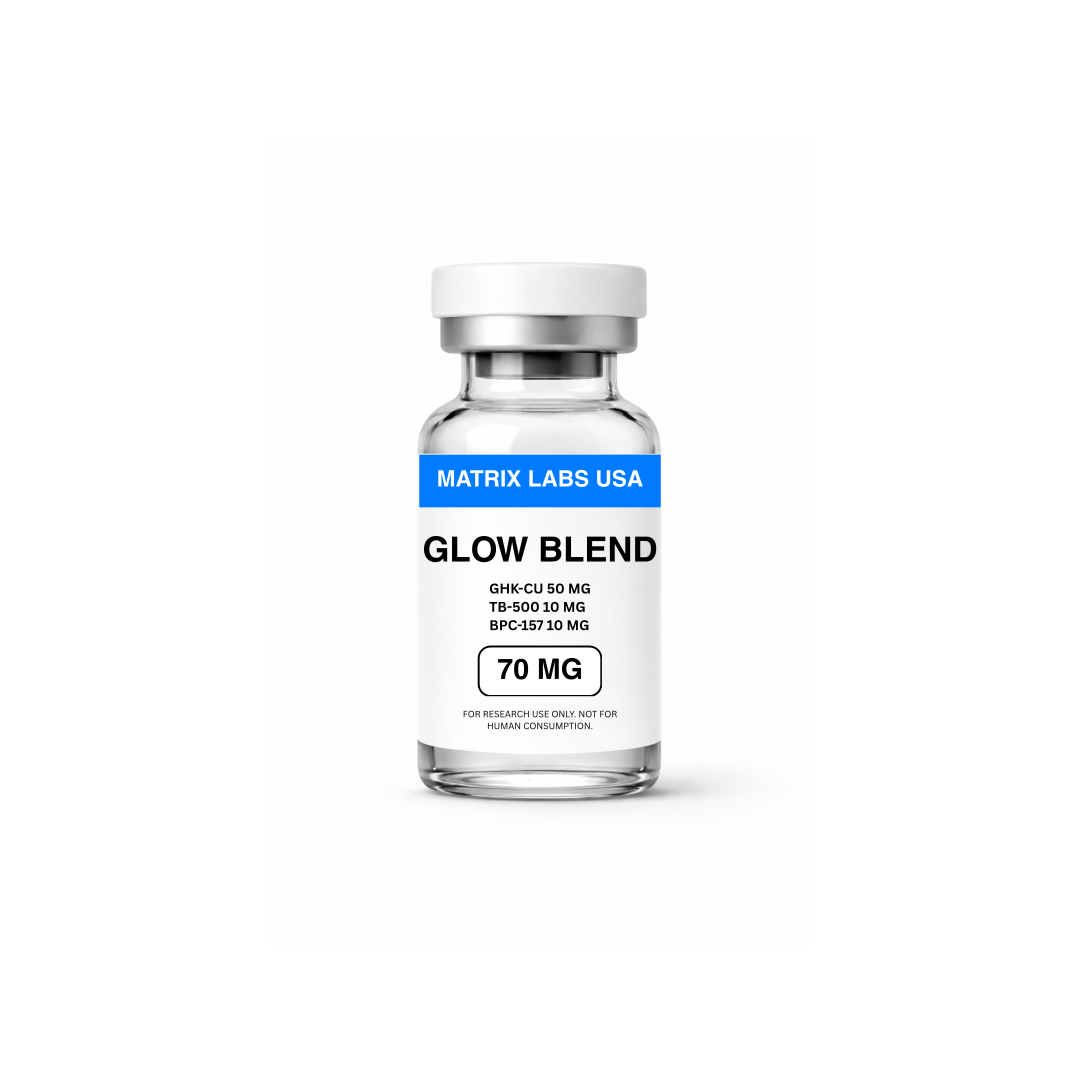
Contents: 70mg Glow Blend lyophilized peptide blend in sterile glass vial
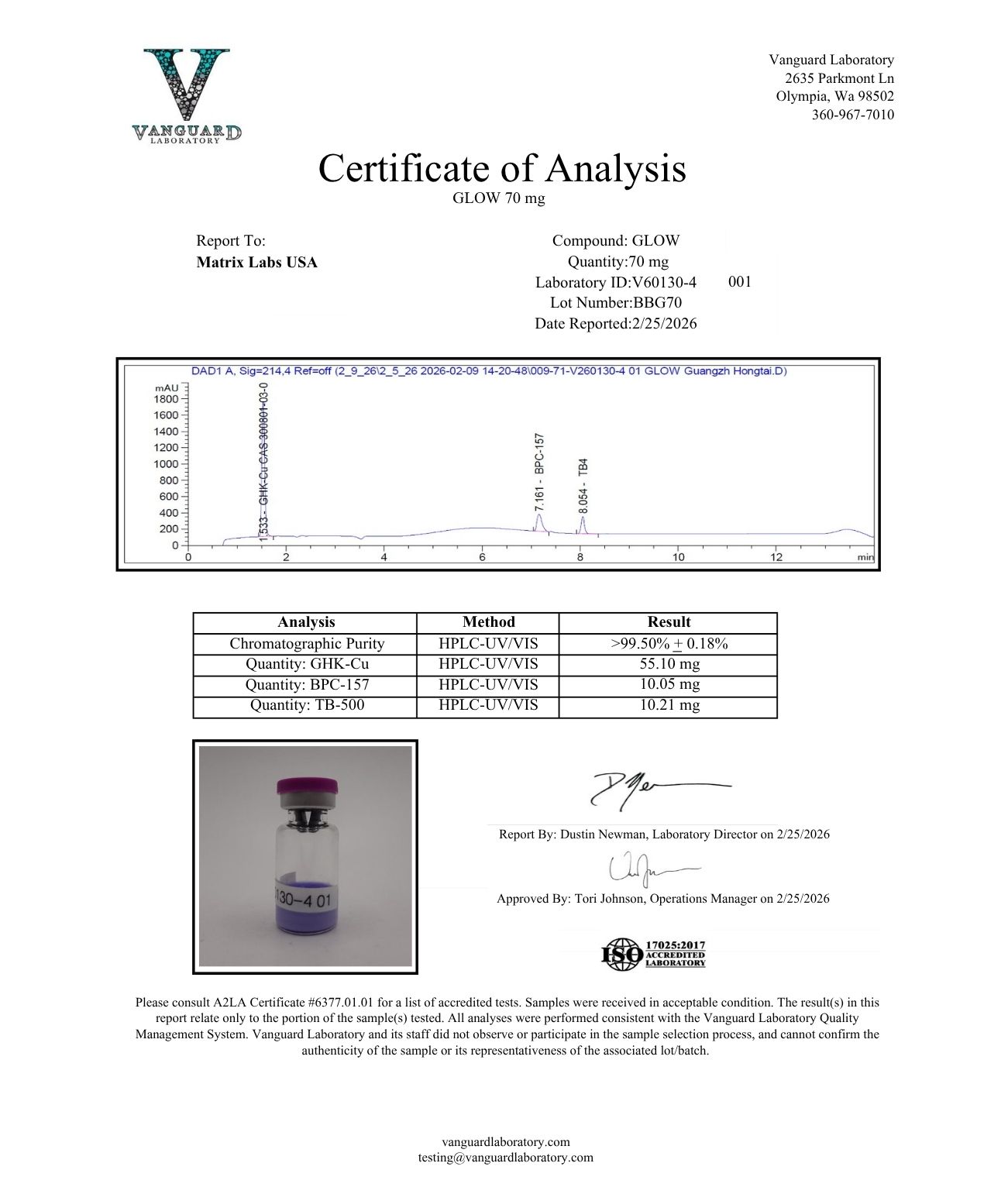
Composition: 10mg BPC-157 + 10mg TB-500 + 50mg GHK-Cu (70mg total peptide content)
Purity: ≥99% combined peptide content (HPLC verified by independent third-party laboratory)
Grade: Research-use only (not a drug, food, cosmetic, or supplement)
Form: Lyophilized peptide blend, suitable for reconstitution with appropriate solvent
Storage (before reconstitution): Store at room temperature, protected from heat and light
Storage (after reconstitution): Store refrigerated at 2–8°C and use promptly according to your lab protocol
Note: This product is supplied as a lyophilized powder and should be reconstituted with bacteriostatic water for appropriate research handling.
Most researchers also add BAC Water 3ML to their order for convenience.
For laboratory research only. Not for human consumption, medical, cosmetic, or veterinary use.
This blend combines three bioactive research peptides, BPC-157, a Thymosin Beta-4–derived fragment (TB-500), and the copper(II)-bound tripeptide GHK-Cu, to support experimental work focused on cellular repair processes, angiogenic signaling, and extracellular matrix regulation.
Across controlled model systems, these components are commonly evaluated for inflammation-related signaling changes, cytoprotection patterns, peptide–metal interactions, and coordinated pathway responses that contribute to tissue remodeling phenotypes.
Note: This product is supplied as a lyophilized powder and should be reconstituted with bacteriostatic water for appropriate research handling.
Most researchers also add BAC Water 3ML to their order for convenience.
For laboratory research only. Not for human consumption, medical, cosmetic, or veterinary use.
BPC-157 is a synthetic 15–amino acid peptide derived from a gastric “body protection” compound and is frequently discussed in the context of nitric oxide and growth-factor–linked signaling modulation in preclinical literature.
TB-500 is described as a synthetic fragment of Thymosin Beta-4, an actin-interacting peptide associated with cytoskeletal organization and cell motility–linked processes.
GHK-Cu is a copper-complexed Gly-His-Lys tripeptide reported in the literature to influence extracellular matrix turnover, metalloproteinase-related activity, and redox-associated signaling.
This formulation is commonly used in laboratory research exploring multi-pathway coordination across inflammation signaling, endothelial and angiogenic responses, fibroblast-linked activity, and oxidative stress handling.
Typical experimental settings include in vitro cell culture studies, ex vivo tissue models, and animal research designs intended to compare pathway overlap versus divergence when these peptides are evaluated together rather than in parallel single-agent workflows.
BPC-157 is often framed in terms of nitric oxide synthase–related effects, VEGF-associated signaling, and broader transcriptional shifts rather than classical single-receptor agonism models.
Thymosin Beta-4–related activity is widely connected to actin monomer binding and actin-buffering behavior that can influence migration, adhesion, and angiogenesis-associated cellular behaviors in experimental systems.
GHK-Cu is commonly discussed as a copper-dependent signaling modulator with reported impacts on ECM remodeling balance and gene-expression programs associated with repair and inflammatory regulation.
Preclinical discussions of BPC-157 include broad “organoprotective” and tissue-response observations across multiple model types, including work in musculoskeletal injury models.
For Thymosin Beta-4, the literature frequently emphasizes its multifunctional role in repair and regeneration cascades, including cytoskeletal regulation and angiogenesis-linked behaviors observed in vitro and in vivo.
For GHK-Cu, published findings and reviews describe effects related to collagen and glycosaminoglycan biology, metalloproteinase-linked remodeling, and larger gene-expression pattern modulation connected to repair biology.
Sikirić, P., et al. (2018). Novel Cytoprotective Mediator, Stable Gastric Pentadecapeptide BPC 157: Vascular Recruitment and Gastrointestinal Tract Healing. Current Pharmaceutical Design, 24(18), 1990–2001. doi:10.2174/1381612824666180608101119.
Goldstein, A. L., Hannappel, E., Sosne, G., & Kleinman, H. K. (2012). Thymosin β4: a multi-functional regenerative peptide. Basic properties and clinical applications. Expert Opinion on Biological Therapy, 12(1), 37–51. doi:10.1517/14712598.2012.634793.
Pickart, L., Vasquez-Soltero, J. M., & Margolina, A. (2015). GHK Peptide as a Natural Modulator of Multiple Cellular Pathways in Skin Regeneration. BioMed Research International, 2015, 648108. doi:10.1155/2015/648108.
Staresinić, M., et al. (2003). Gastric pentadecapeptide BPC 157 accelerates healing of transected rat Achilles tendon and in vitro stimulates tendocytes growth. Journal of Orthopaedic Research, 21(6), 976–983. doi:10.1016/S0736-0266(03)00110-4.
Huff, T., et al. (2001). β-Thymosins, small acidic peptides with multiple functions. International Journal of Biochemistry & Cell Biology, 33(3), 205–220. doi:10.1016/S1357-2725(00)00087-X.
Malinda, K. M., Goldstein, A. L., & Kleinman, H. K. (1997). Thymosin beta 4 stimulates directional migration of human umbilical vein endothelial cells. Journal of Cell Biology, 136(5), 1179–1188.
Philp, D., et al. (2003). The actin binding site on thymosin beta4 promotes angiogenesis. FASEB Journal, 17(14), 2103–2105.
Maquart, F. X., et al. (1988). Stimulation of collagen synthesis in fibroblast cultures by the tripeptide-copper complex glycyl-L-histidyl-L-lysine-Cu2+. FEBS Letters, 238(2), 343–346. doi:10.1016/0014-5793(88)80509-X.
Siméon, A., et al. (2000). Expression of glycosaminoglycans and small proteoglycans in wounds: modulation by the tripeptide-copper complex glycyl-L-histidyl-L-lysine-Cu(2+). Journal of Investigative Dermatology, 115(6), 962–968. doi:10.1046/j.1523-1747.2000.00166.x.
To protect experimental integrity, store peptides cold, dry, and shielded from light to minimize oxidation, contamination, and degradation. For near-term use, keep unopened material refrigerated at ≤4 °C (≤39 °F) and limit time at room temperature during handling. Lyophilized (dry) peptides can tolerate short periods at room temperature, but refrigeration is preferred for best stability and longevity. For longer-term storage, keep unmixed material frozen—−18 °C (0 °F) is acceptable, while −80 °C (−112 °F) is optimal for multi-month to multi-year preservation. Avoid frost-free freezers and repeated freeze–thaw cycles, which can accelerate breakdown. If reconstituted (in solution), use sterile buffer (ideally pH 5–6 when feasible), split into aliquots, and freeze (preferably −80 °C (−112 °F)) to reduce handling-related degradation.
All Articles and product information provided on this website are for informational and educational purposes only.
Popular products
-

GHRP-2
$30.00 Select options This product has multiple variants. The options may be chosen on the product page -
CJC + Ipamorelin
$70.00 Select options This product has multiple variants. The options may be chosen on the product page -
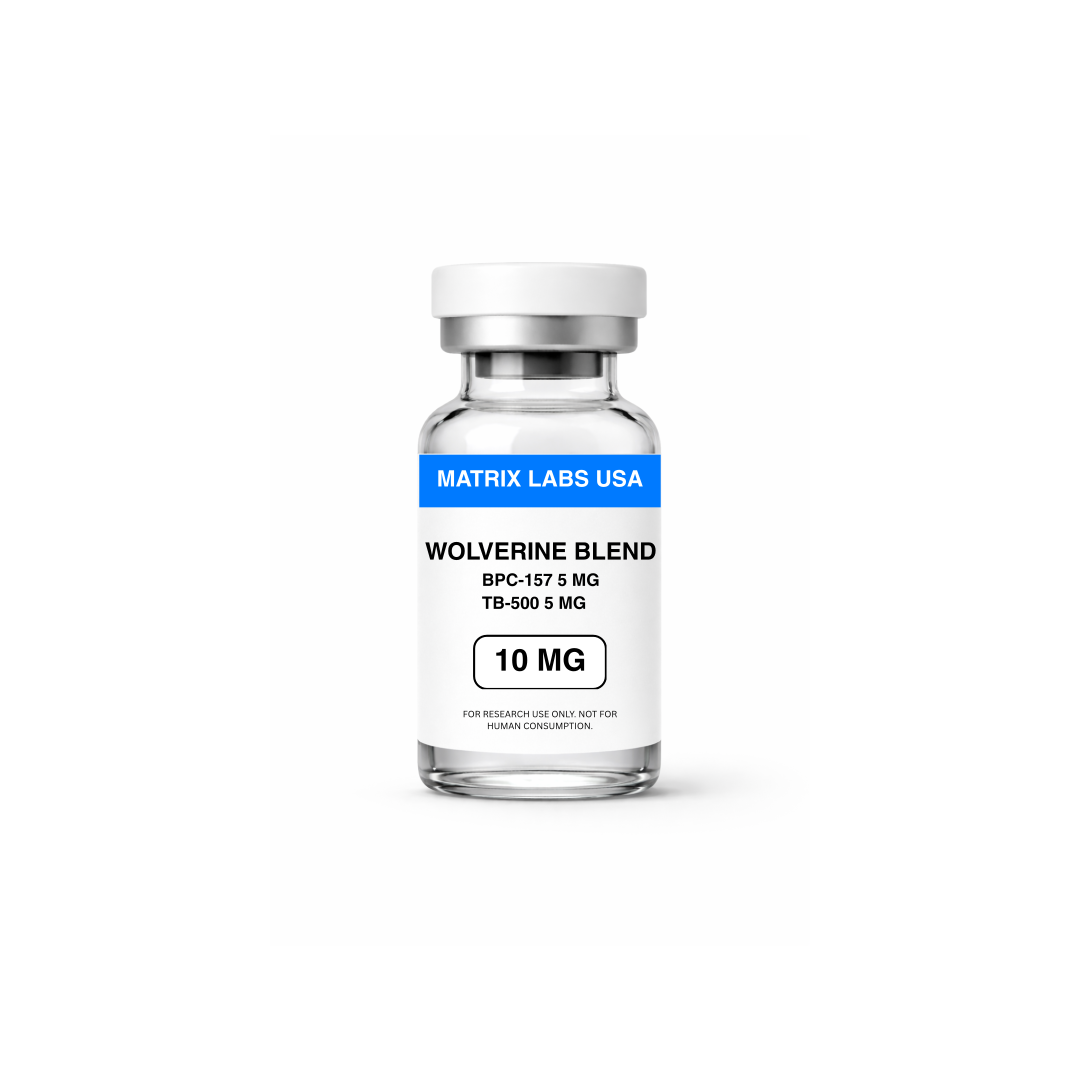
Wolverine
$100.00 Select options This product has multiple variants. The options may be chosen on the product page -
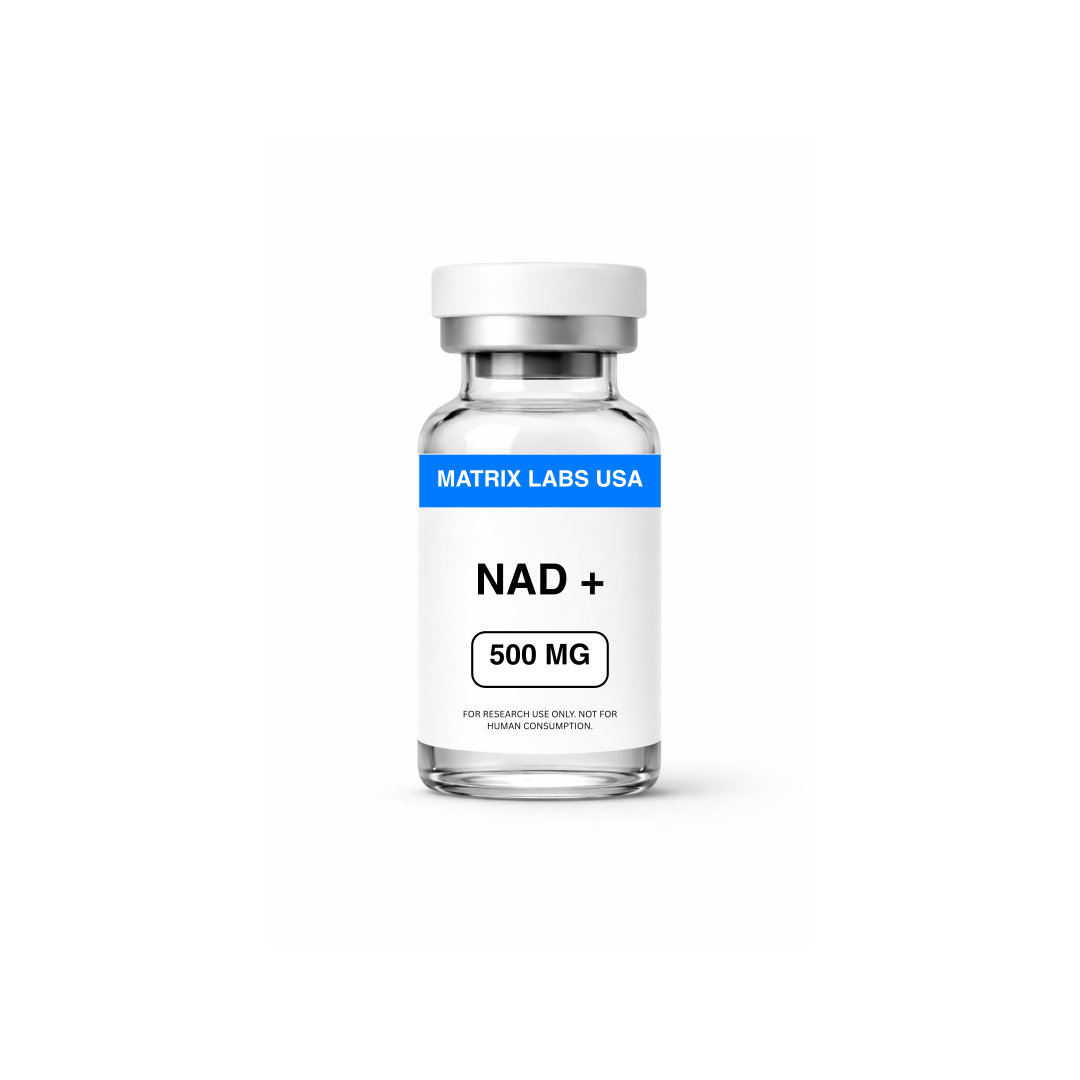
NAD+
$125.00 Select options This product has multiple variants. The options may be chosen on the product page
Reviews
There are no reviews yet.